The literature provides the rationale
It explains why a measure may make sense. The white paper brings that foundation together and sets out our method.
Science and evidence
Case studies, research and resources for supporting diverse learners in the classroom. Explore what schools report and the criteria that guide our work.
Outside research, accounts of use and our own method, each in its place
How we tell them apart
It explains why a measure may make sense. The white paper brings that foundation together and sets out our method.
Their accounts show how Nubo is used in real situations and what value professionals find in it.
The white paper details how we plan to study content retention, access, time and progress over time.
On video
“Adapt without watering down” sets out the seven Nubo principles and the references behind them.
Open the white paperCase studies
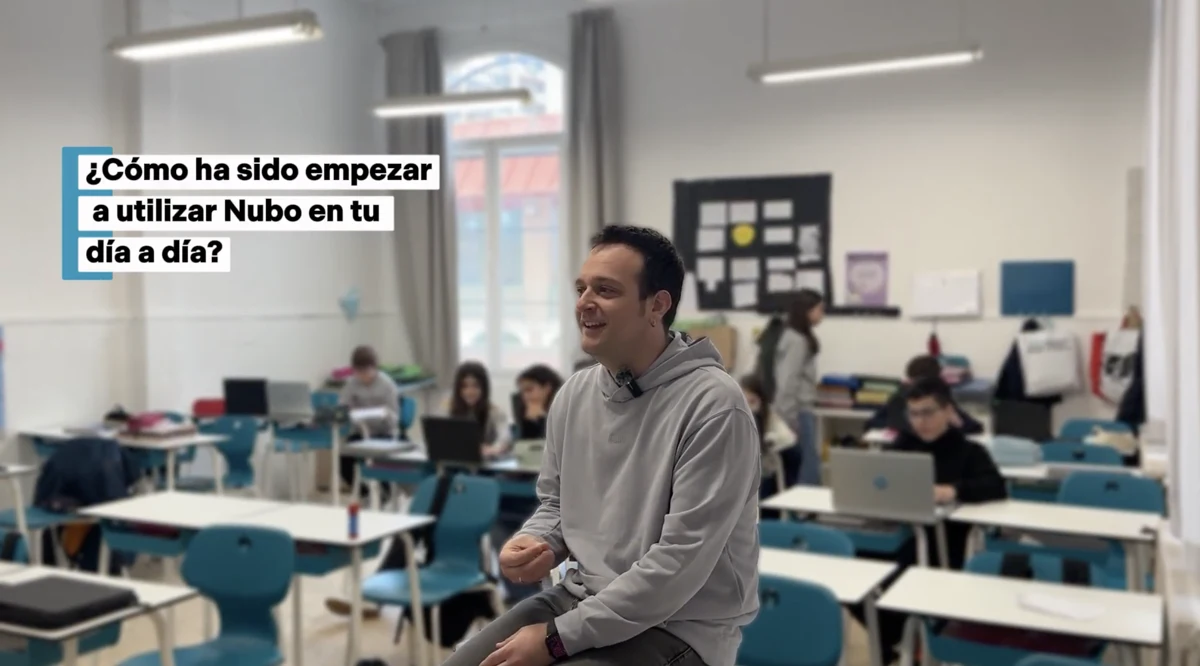
“It opened her eyes. She said: How come I never had this before? This is a blessing.”Read the case
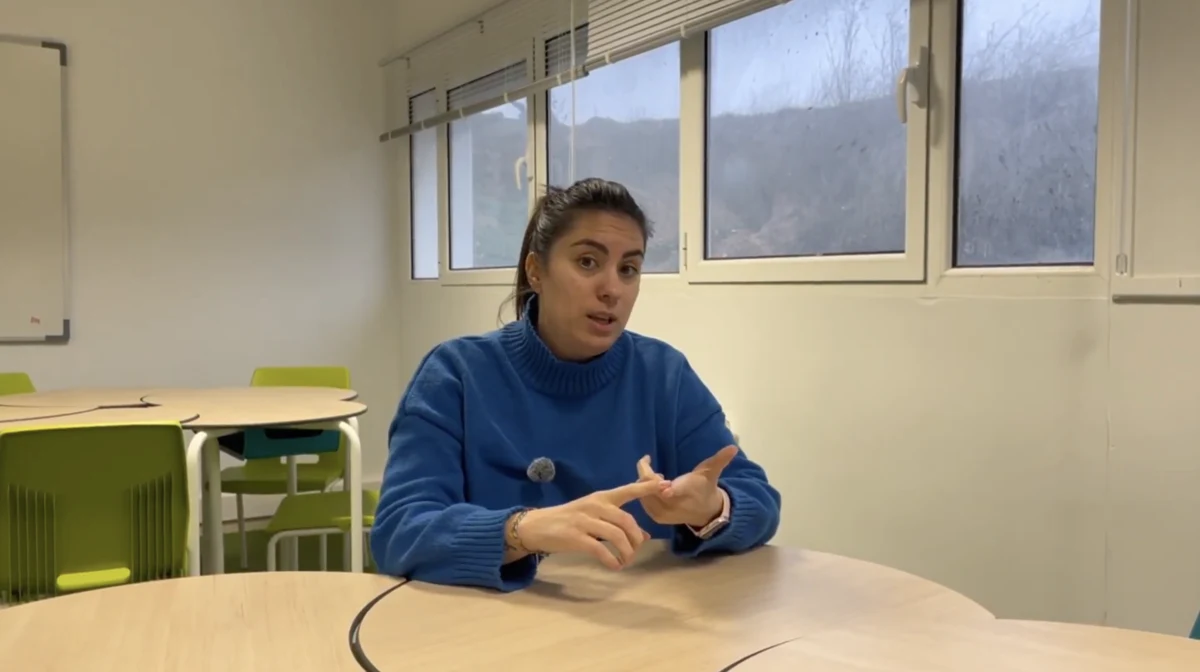
“My student no longer worries about whether he can do the task. He knows he can do what is put in front of him each day.”Read the case
Observatory
The Observatory collects readings of studies on learning, dyslexia and personalization. Each article lets you dig deeper into the research it analyzes.

A reading of Alghabban and Hendley's (2022) study on adaptive systems for students with dyslexia.Explore the analysis

A review of the relationship between giftedness and dyslexia, based on Kranz and colleagues (2024).Read the analysis

An analysis of the role of supports in assessments, based on Schneider, Gong and Egan.Read the analysis
These articles analyze outside research; the case studies collect accounts of use. The Nubo method explains how we connect foundations to decisions.
Classroom guides
Resources to understand what to adapt, what information you need and how to make a task accessible.
Events
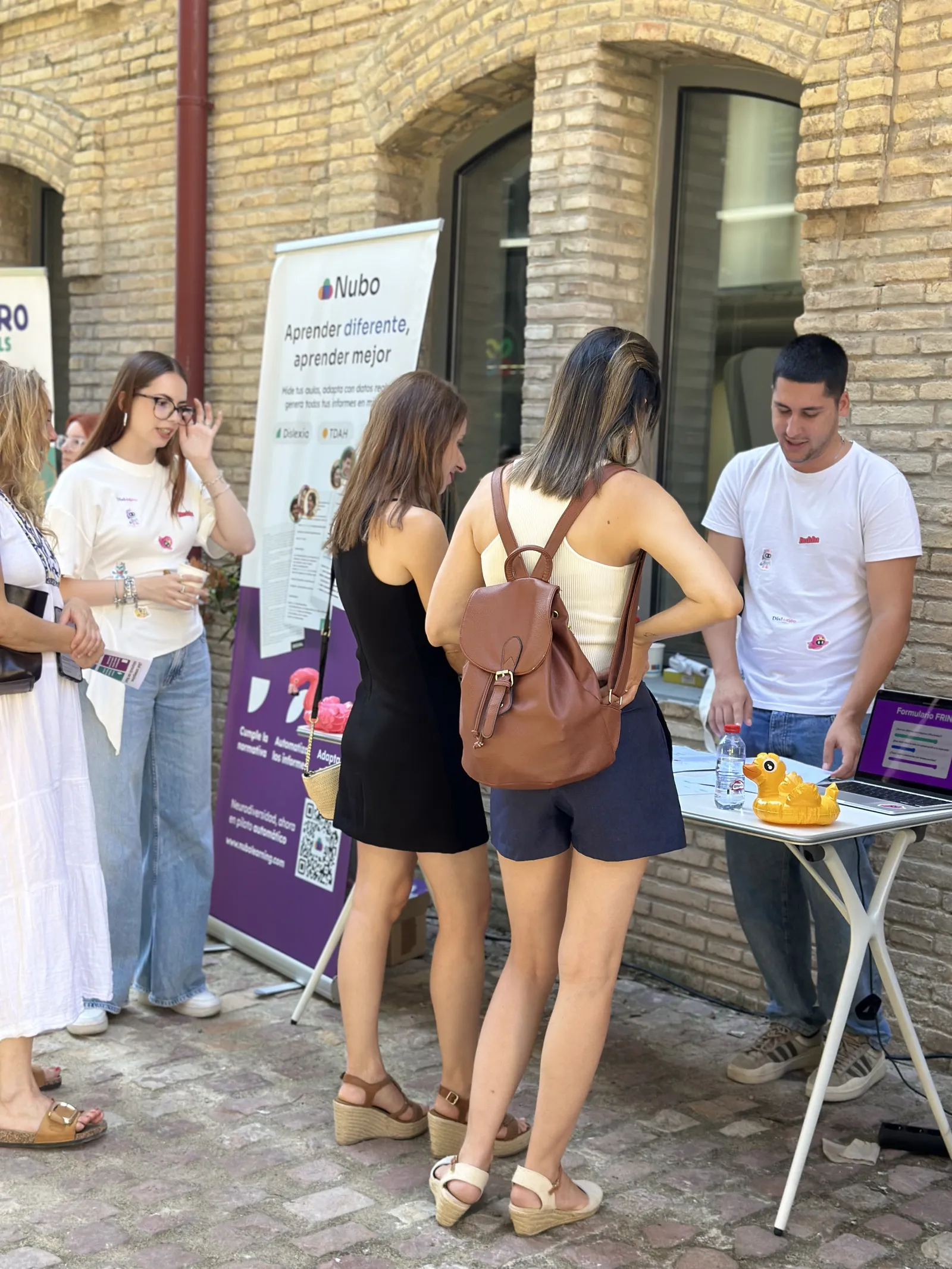
Reflexiones desde València Level Up sobre atención a la diversidad en Valencia, dislexia, TDAH, DEA y tecnología educativa útil para docentes.Read the report

Pau Font discusses the reality of dyslexia and ADHD on Radio Plaza Valencia. Learn about the tools schools need today.Read the report
Trust and evidence
Frequently asked questions
A scientific foundation does not automatically make a product an intervention with proven effectiveness. That is why we separate our sources and what each one lets us claim: the literature provides the rationale, schools provide context, and evaluation tests the results.
A collection of readings of outside studies on learning, dyslexia and personalization. They analyze other people's research; they are not studies about Nubo.
In the white paper “Adapt without watering down”, with its 110 references. Open the white paper.
Let's start from a real situation to explore what Nubo can offer. Bring a material and a case you know well.