Describe barriers, not labels
A label can point the way, but on its own it doesn't tell you what support a person needs.
Educational adaptations · Guide and method
An educational adaptation changes a task so each student can learn and show what they know. To do it well, you have to look at three things: the student, their class and the task. The label alone isn't enough.
1 · The student
Lucy and Paul both have dyslexia. The label draws the same profile for them; their real one is different. That is why Nubo doesn't adapt labels: it adapts to students.
 Lucy
According to the label: “has difficulty reading”Reads slowly, but understands well
 Paul
According to the label: “has difficulty reading”Reads faster, but struggles to understand and to keep the thread
Dashed: what the label would say · Color: their real profile · Illustrative data, using the six axes of Nubo's screening
2 · The material
Real materials from teachers and the version Nubo gave back to them: tests, class notes and readings. Choose one and slide to compare.
Choose a material
For Samuel. He knows the material, but gets lost organizing his answer.
For Inês. She arrived this school year. She speaks Portuguese at home and is still learning Catalan.
For Carla. She has a curriculum modification in math: her reference level is 5th–6th grade.
For Lucy. She reads slowly and gets lost when there are many characters.
For Nora. She reasons well, but gets stuck on problems that are only text.
For Laia. She takes social studies in English, which isn't her home language.
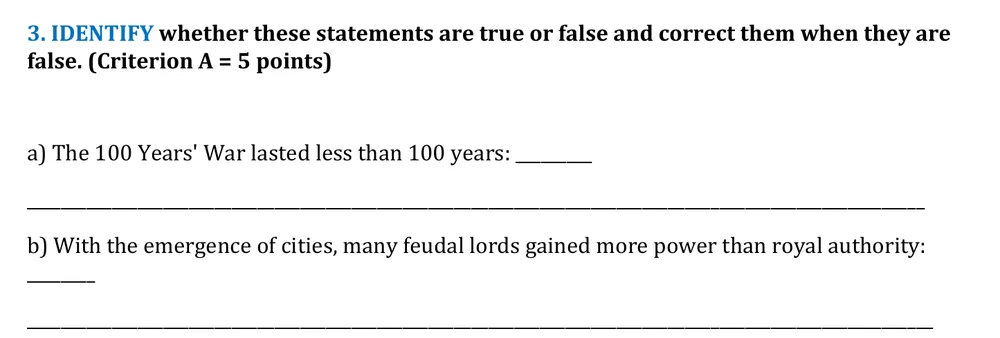
 SamuelKnows the material, but gets lost organizing the answer
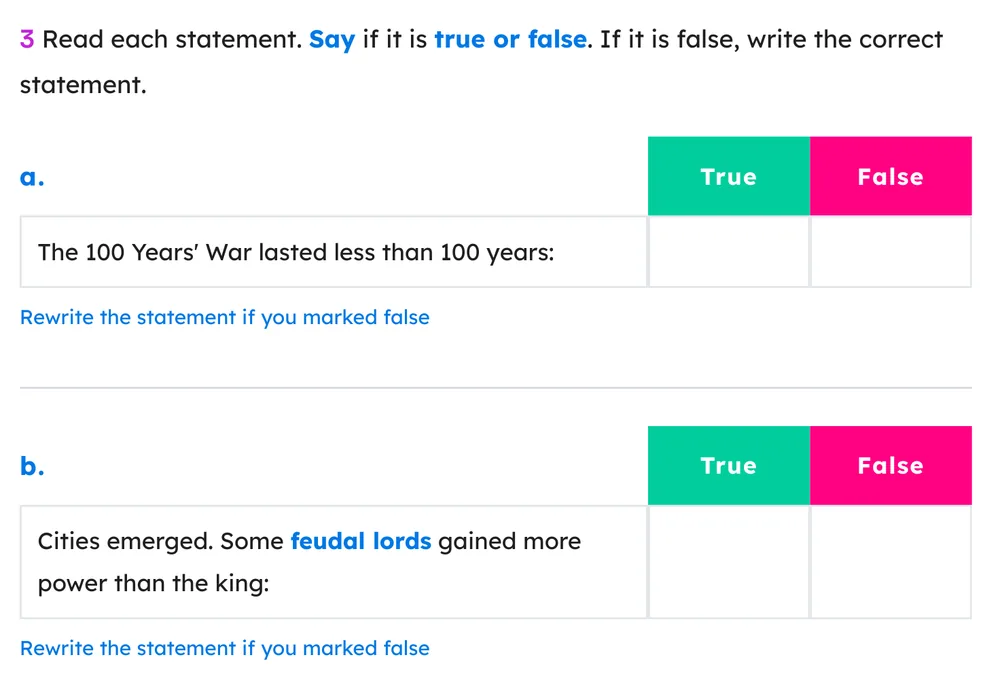
✓ Stays the same: The same statements, in English, and the same assessment criteria
See Nubo's version full size ↗
 InêsArrived this school year. Speaks Portuguese at home and is still learning Catalan
✓ Stays the same: The notes are still in Catalan: Portuguese is a support, not a substitute
See Nubo's version full size ↗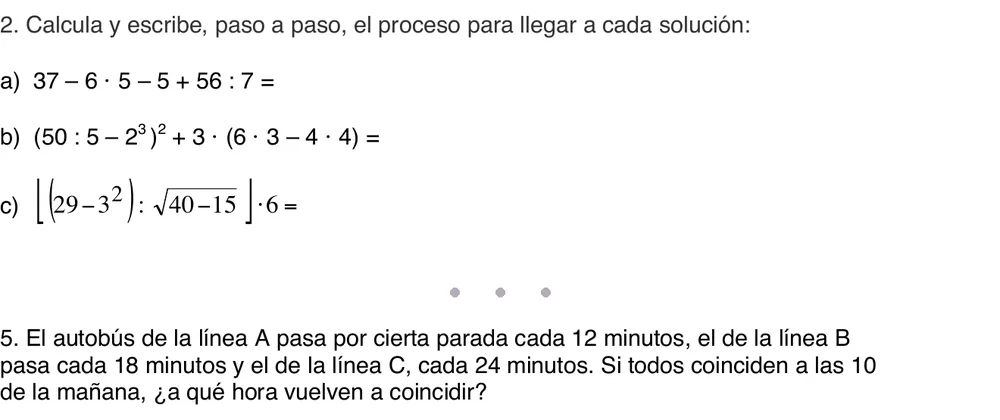
 CarlaHas a curriculum modification in math: her reference level is 5th–6th grade
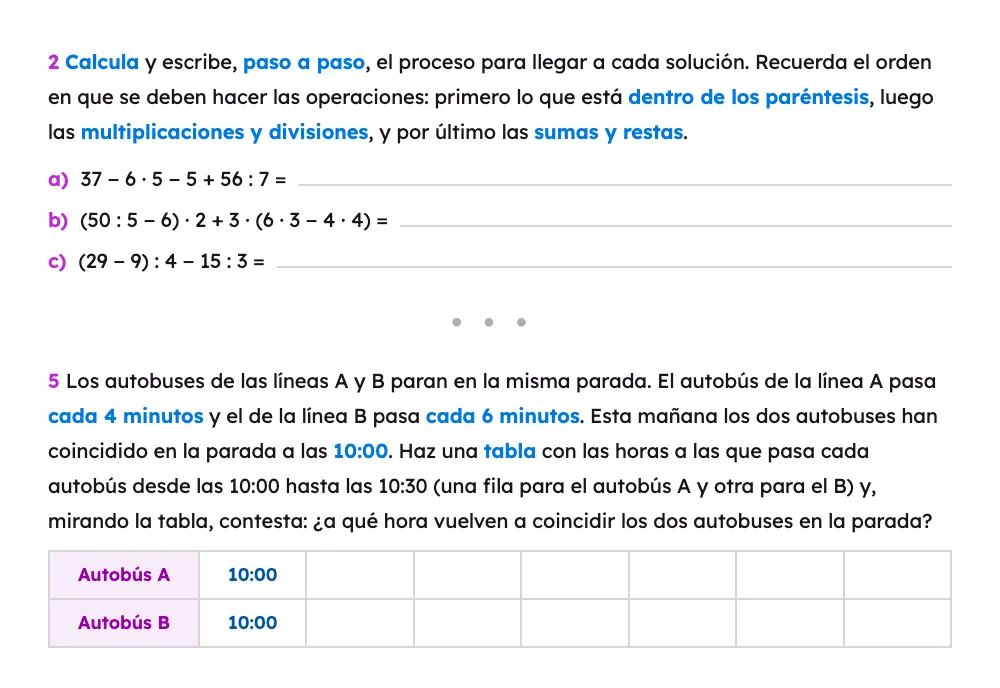
✓ Stays the same: The same exercises and the same context as the rest of her class
See Nubo's version full size ↗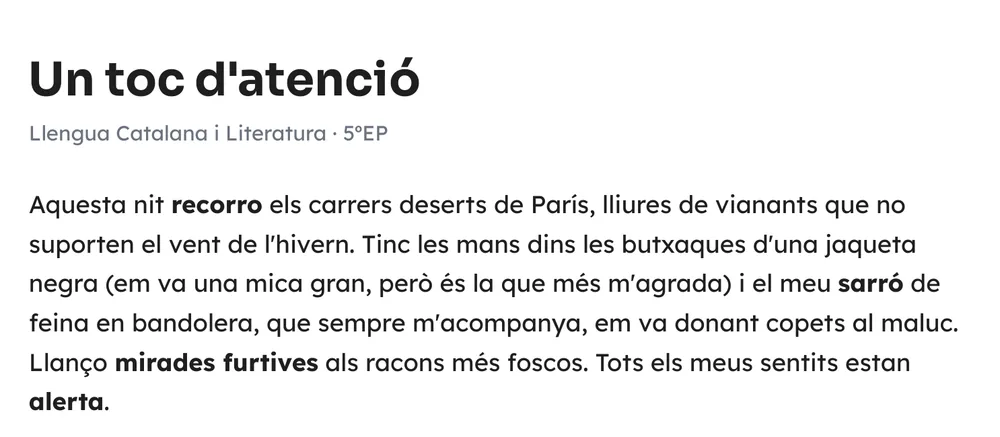 LucyReads slowly and gets lost when there are many characters
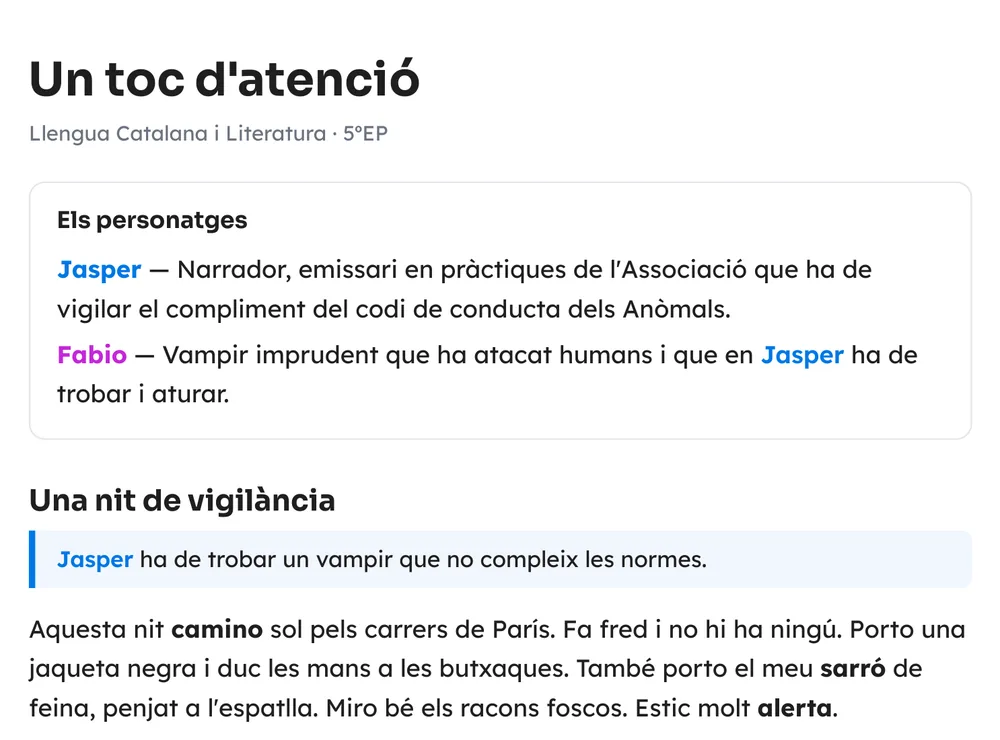
✓ Stays the same: The same story, the same characters and the same key words
See Nubo's version full size ↗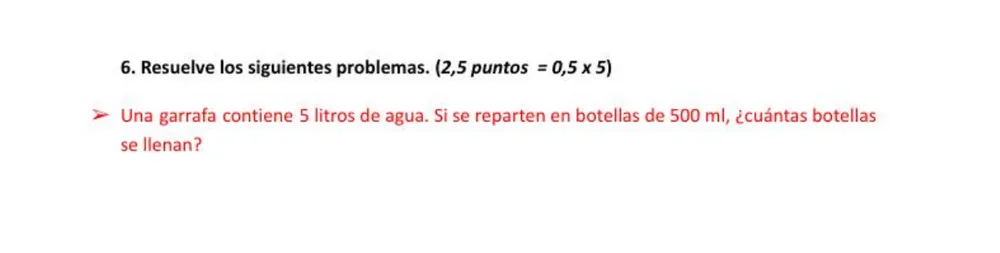
 NoraReasons well, but gets stuck on problems that are only text
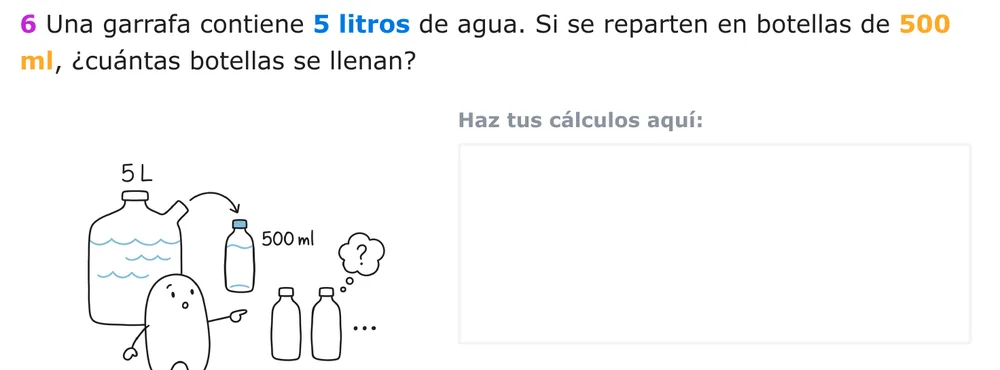
✓ Stays the same: The same problem and the same numbers
See Nubo's version full size ↗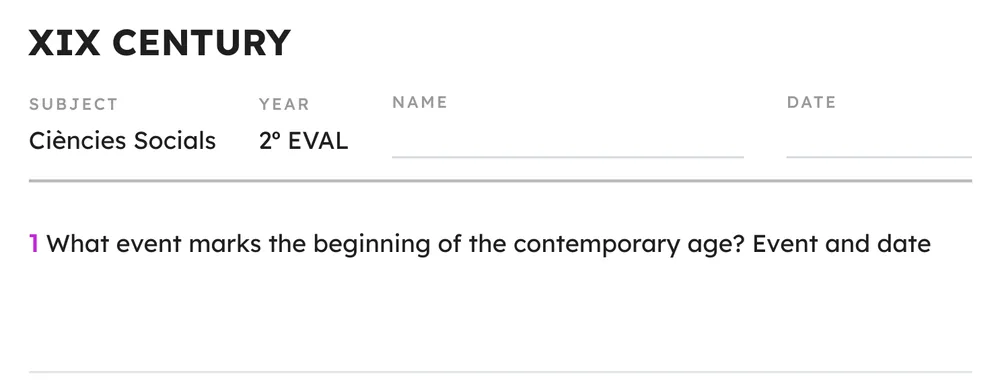
 LaiaTakes social studies in English, which isn't her home language
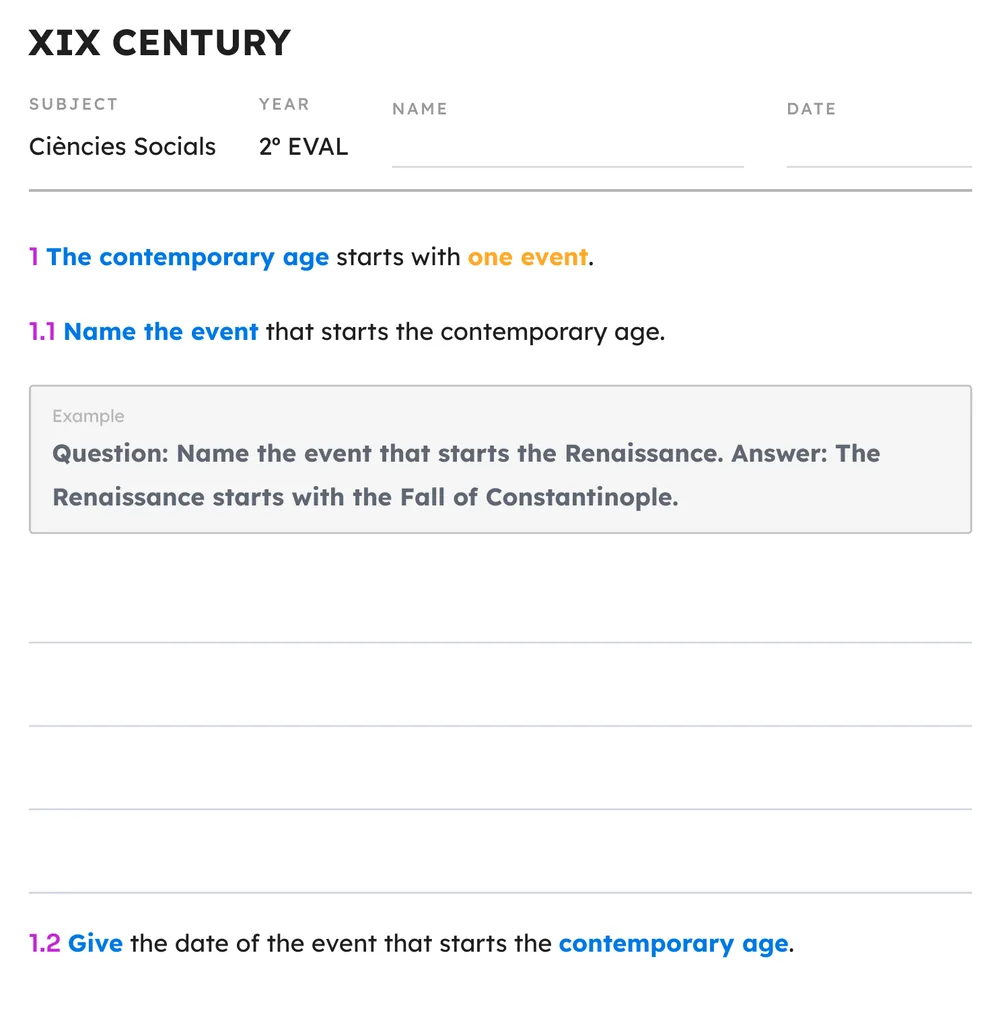
✓ Stays the same: The same questions, in English
See Nubo's version full size ↗Real classroom materials, with school details removed. Student names are made up. In Nubo, every change comes from the student's profile and what the task asks, and you review it before using it.
3 · The class · Smart UDL
A class has 25 profiles. Nubo places them according to what each student has mastered in that subject, and those who are alike form a group with its own version of the material. Since each subject asks for different skills, the class changes shape: a triangle in math, a rectangle in language arts. And the groups change with it.
Lucy John
Group 1 · 3Group 2 · 3Group 3 · 2John and Lucy: the same group
Group 1 · 3Group 2 · 3Group 3 · 2John and Lucy: different groups
4 · The types
First the how changes. The what, only if that isn't enough.
5 · Judgment
Four ways to adapt, face to face. What makes the difference is the pedagogical method, not the speed.
| By hand | Generic AI | By label | The Nubo method | |
|---|---|---|---|---|
| Starts from who each student is | Yes if you know them well | No | Partly only their diagnosis | Yes their profile, not their label |
| Separates what is learned from the barrier | Yes | Partly sometimes cuts content | Partly sometimes cuts content | Yes the objective first, then the barrier |
| Only the supports this task needs | Partly depends on how much time you have | No changes everything | No the same change for everyone | Yes adapts the task, not the student |
| The whole class, without separating anyone | No one version at a time | Partly | Partly | Yes groups by profile, same material |
| Every change, with its reason | Partly only in your head | No | No | Yes every support, explained |
| Lowering the curriculum, only with safeguards | Yes with the team | No lowers the level if you ask it to | No | Yes with a report and a team decision |
| Time per test | Hours | Seconds | Seconds | Minutes |
| Who decides | You | The tool | The tool | You and your team |
We compare ways of working, not products. The Nubo method is the seven principles of the white paper “Adapt without watering down”; Nubo puts them into practice. Learn about the method
6 · Try it
Answer five questions comparing them with their classmates, as in the Nubo questionnaire.
An example with five questions: nothing is saved. In Nubo, the profile combines the teacher questionnaire (FRINA), the screenings and the reports.
The Nubo method
Seven principles guide every adaptation. These are the three you'll notice first in your classroom.
A label can point the way, but on its own it doesn't tell you what support a person needs.
The decision depends on the student's profile as much as on what today's activity demands.
Tell apart what students must learn from the difficulties created by the format of the task.
Bring it to your classroom
Same approach, two starting points: your own material, or the whole school at once.
Upload your material and get a version for each student in your class, based on their profile. You review, adjust and download.
The counseling team agrees on the supports once, and each teacher applies them when adapting their material. Every change is logged.
Real cases
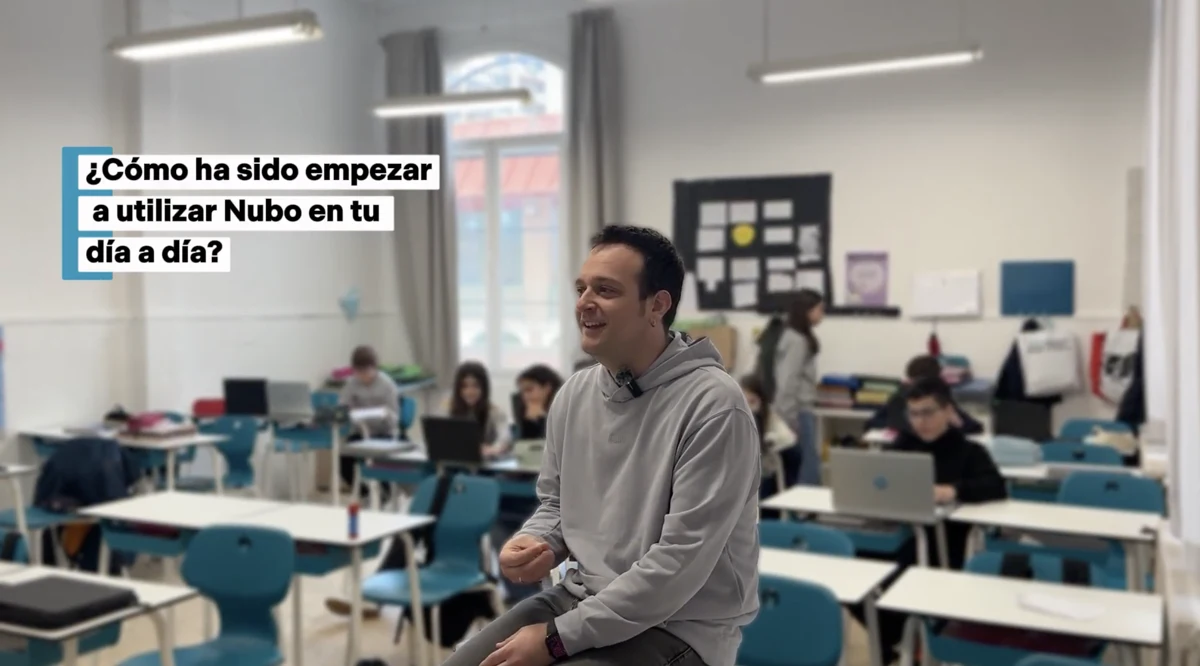 Watch the interview ↗
“You realize that the material you thought was good could be much better, and that it can be adapted much more closely to specific profiles.”
Joan · Assistant principal, counselor and language teacher · Maristes Montserrat, Lleida (Spain)
Read the full case →“My student no longer worries about whether he can do the task. He knows he can do what is put in front of him each day.”
Homeroom teacher · CEIP Justicia de Aragón (public elementary school), Alcorisa, Spain
Read their story →“What stayed with me most was the enthusiasm of the teachers when they came out of the training and said it was very practical and very concise.”
Ana · Director of the Alcorisa Teacher Training Center (Spain)
Read their story →Frequently asked questions
It is a change to a task, a material or a test so that a student can learn and show what they know. It can change access (an accommodation) or, when that isn't enough, what is learned (a curriculum modification).
Two main types. Accommodations (in many regions of Spain, called non-significant adaptations) change the how without touching the assessment criteria. Significant curriculum modifications change the what too, using another grade as the reference level, and are for students with special educational needs (SEN). In addition, UDL prepares the task for the whole class from the start.
No. With an accommodation, the objective and the level stay the same. The level changes only in a significant curriculum modification, intended for students with special educational needs, and only when changing access isn't enough.
No. A diagnosis gives direction, but what decides is what is hard for each student in each task. Two students with dyslexia can need different supports.
Yes, and it saves a lot of time. But a generic AI doesn't know your students and may cut exactly what you wanted to assess. Look for three things: that it starts from each student's profile, that it keeps the objective and that it explains each change.
For accommodations, the teaching team. For significant curriculum modifications, the team, after the counseling team's evaluation and with the family informed, following each region's rules. Never a tool on its own.
Universal Design for Learning (UDL) designs the task from the start with multiple ways to access, engage and respond. Smart UDL is Nubo's way of bringing it into the classroom: it groups students by similar profiles in each subject, not by diagnoses, and prepares a version of the same material for each group.
No. They are also for students who show barriers without a diagnosis, for newly arrived students and for gifted students. You adapt to what you observe, not only to the label.
With your material or with your whole school, with the same standard.
Free for teachers · Demo for schools