Understand
Get to know the person, rather than assuming their ability from a label.
The Nubo method
It isn't enough for a material to look easier. It has to remove a barrier without removing the opportunity to learn. That principle connects our scientific base to every decision the system makes.
For teachers, counselors and school leadership teams
The method in three verbs
Get to know the person, rather than assuming their ability from a label.
Act on what this task demands of them.
Review the support as they learn.
Foundations
Research isn't added at the end as a stamp of approval. It helps us decide what to change, what to keep and when to stop intervening.
Cognitive load
A confusing layout can use up resources the student needs in order to understand. We organize access without doing the intellectual work for them.
Explain what would happen if the herbivore population decreased, and connect your answer to the balance of the ecosystem.
Assessment
The support depends on the objective. Reading a prompt aloud doesn't mean the same thing in a science task as in a decoding test.
Scaffolding
Supports are reviewable. The goal isn't to keep the help in place forever, but to adjust its intensity as the person can do more on their own.
Summary of the white paper's framework: cognitive load (Sweller, Ayres and Kalyuga), assessment and supports (Sireci, Scarpati and Li), scaffolding (Wood, Bruner and Ross). The full references are available in the document.
Seven principles
Open each principle to see what it means in practice. The short titles summarize the white paper's wording.
What adapting well means →If a task assesses science knowledge, we can make the directions easier to read without removing the concepts being assessed. First we identify the objective; then, the barrier.
In the white paper:Separate what must be learned from what must be navigated.
Two students with the same diagnosis may need different supports. Specific observations, what is hard for them and in which situations, guide an adaptation better than a category alone.
In the white paper:Describe the student by what is hard for them, not by their label.
A report provides evidence, not a final description. The profile incorporates new observations and distinguishes what we know with greater certainty from what still needs confirmation.
In the white paper:Treat the profile as a living estimate, not a fixed snapshot.
A difficulty doesn't mean every material has to be changed. We apply a support when the specific activity triggers that barrier; adding help that isn't needed can get in the way too.
In the white paper:Adapt the task, not the student.
Offering different routes to access lets everyone share the classroom without imposing the same support on all. Smart UDL groups support needs, not diagnostic labels.
In the white paper:Design for the student facing the most barriers, without lowering the ceiling for anyone.
A support should build independence. Reviewing progress lets you keep it, adjust it or withdraw it when it is no longer needed, instead of turning it into a permanent condition.
In the white paper:No help is forever.
Before reducing what students are expected to learn, you have to tell an access barrier from a curricular need. When it is appropriate to modify the curriculum, the professional decides and approves; the system helps put it into practice.
In the white paper:Lowering the curriculum is the last resort, and a machine doesn't decide it.
The method, its foundations and the limits we place on adaptation, with sources for each section.
Open the white paper ↗Experience in schools
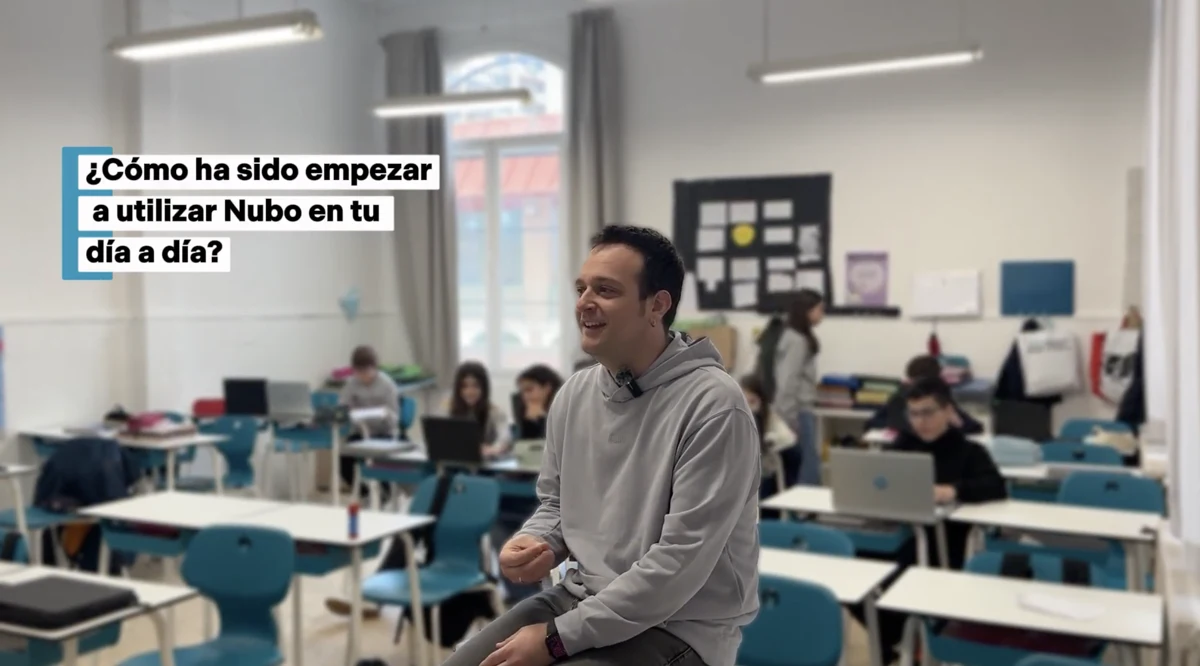
“We got this work right because it lets the student show much better what they know.”Read the case
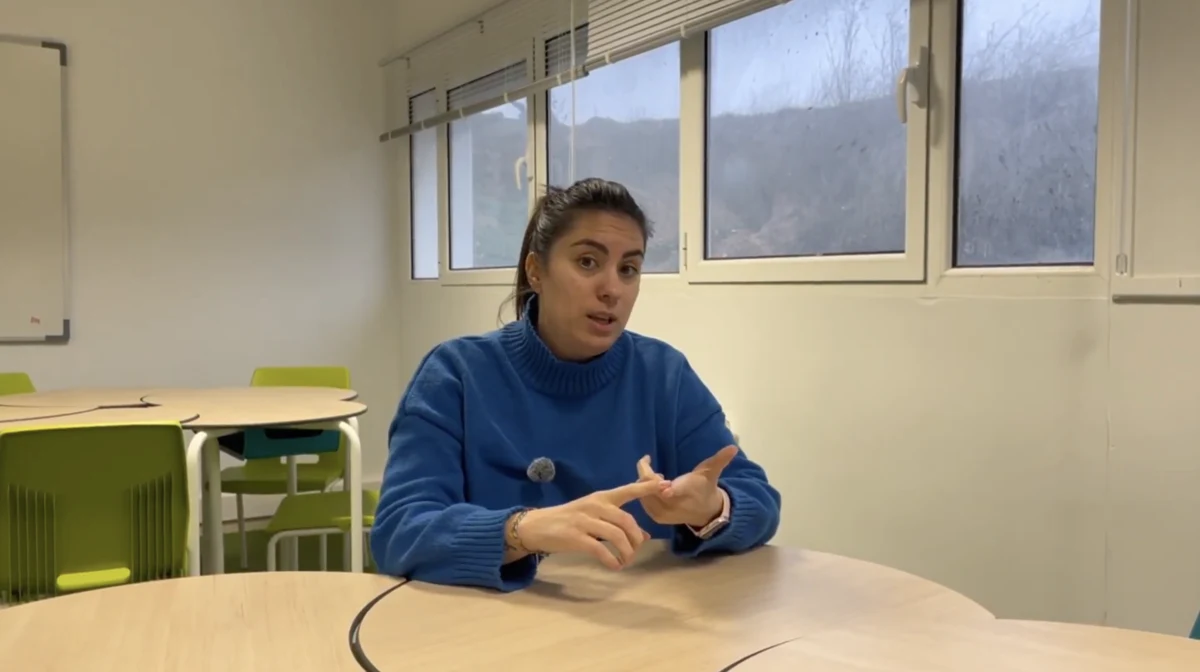
“My student no longer worries about whether he can do the task. He knows he can do what is put in front of him each day.”Read the case
Foundation, practice and evaluation
It explains why a support may make sense. The white paper brings that base together and sets out our method.
Their experiences show how the system is used in real situations and what value professionals find in it.
Chapter 6 details how we plan to study content preservation, access, time and progress. It distinguishes work that is under way, in design and planned.
A scientific foundation does not automatically turn a product into an intervention with demonstrated efficacy. That is why we distinguish our sources and the scope of what they allow us to claim.
Trust and evidence
Frequently asked questions
No. The same diagnosis doesn't call for the same adaptation: the student's profile and the specific task drive the decision.
The professional. First you have to tell an access barrier from a curricular need. When it is appropriate to modify the curriculum, the teacher decides and approves.
Nubo's white paper: the seven principles, their foundations and 110 references. Open the white paper.
Connect what we know about the student with what we do in the classroom and with how supports are monitored.
Seven principles, one way of deciding.